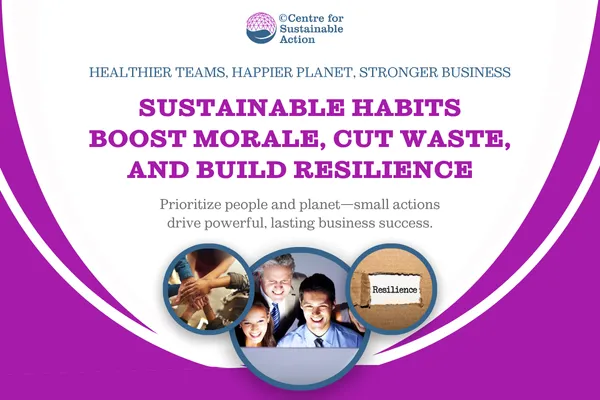
Circular Wellbeing: Practical Steps to Healthier, Sustainable Living and Working
Introduction: Why Circular Wellbeing Matters Now
Imagine a business where every decision benefits both your people and the planet—where reducing waste goes hand-in-hand with boosting team morale, and where sustainability isn’t just a buzzword, but a lived experience. That’s the essence of circular wellbeing.
What is Circular Wellbeing?
Circular wellbeing is the next evolution in workplace sustainability. It’s about weaving circular economy principles—like reducing, reusing, and regenerating resources—directly into the fabric of your organisation’s culture and daily operations. But it doesn’t stop at environmental impact. Circular wellbeing recognises that your employees’ health, happiness, and sense of purpose are just as vital to your business’s long-term success.
In short: It’s about creating a thriving workplace that’s good for people, good for the planet, and good for business.
Why Does It Matter—Now More Than Ever?
1. Business Resilience in Uncertain Times
When the world feels unpredictable, resilient businesses stand out. Teams that feel valued and supported are not only healthier—they’re also more adaptable, creative, and motivated to solve challenges together. Circular wellbeing creates a foundation for this resilience by nurturing both people and processes.
2. Cost Savings that Go Beyond the Obvious
Sustainable practices often lead to surprising savings. Think less waste sent to landfill, lower energy bills, and fewer costly sick days. When you prioritise wellbeing alongside resource efficiency, you unlock hidden value—improving your bottom line while doing the right thing.
3. Brand Value that Attracts and Retain
Today’s customers, partners, and even employees are drawn to businesses that walk the talk on sustainability and wellbeing. By embracing circular wellbeing, you send a clear message: your business cares about its impact, inside and out. This builds trust, loyalty, and a reputation that sets you apart in the marketplace.
Real-World Example: Small Changes, Big Impact
Take the story of a small business that made a simple shift: swapping out single-use plastics for reusable alternatives in the office kitchen. The result? Not only did they cut down on waste and reduce supply costs, but team members felt proud to be part of a company making a real difference. This boost in morale translated to better collaboration, higher engagement, and even sparked new ideas for further sustainability initiatives.
Circular wellbeing isn’t just a trend—it’s a strategic advantage. By integrating these principles, you’ll create a business that’s fit for the future: resilient, resourceful, and genuinely rewarding for everyone involved.
2. Assess: Where Are You Now?
Before you can build a business that’s both sustainable and supportive of wellbeing, you need to know where you’re starting from. Think of this as your sustainability and wellbeing “health check”—a quick but powerful step that sets the stage for real, measurable progress.
Assessment isn’t about passing or failing—it’s about getting curious. It means taking a close look at your current habits, resources, and culture. How much waste is your business generating? How energy efficient are your day-to-day operations? And just as importantly, how are you nurturing your team’s health, happiness, and sense of purpose?
It’s a holistic snapshot—capturing both the environmental and the human side of your workplace.
Why This Step Matters
Clarity:
You can’t improve what you don’t measure. A clear picture of your starting point helps you see what’s working, what’s not, and where the biggest opportunities lie.
Focus:
Assessment highlights your “quick wins”—the low-hanging fruit that can deliver fast results—as well as the bigger, strategic changes that will have the most impact over time.
Motivation:
When you track where you started, every improvement becomes a milestone. This fuels momentum, builds team pride, and creates a sense of shared achievement.
Self-Check: Your Circular Wellbeing Snapshot
Ready to get started? Try this quick self-check to see how your business stacks up:
Resource Use & Waste
Do you offer recycling bins and encourage reusable options in the workplace?
Are you tracking how much waste your business produces each week?
Have you taken steps to reduce single-use items in your operations?
Energy & Environment
Are you monitoring your energy usage and looking for ways to reduce it?
Do staff have access to natural daylight, plants, or outdoor spaces at work?
Have you considered switching to renewable energy or energy-saving equipment?
Team Health & Wellbeing
Are healthy snacks or fresh water always available for your team?
Do you promote regular breaks, movement, or mindfulness during the workday?
Is there a culture of open communication and support for mental health?
Culture & Community
Does your business celebrate sustainability wins and share progress with the team?
Are staff encouraged to bring forward their own ideas for wellbeing or eco-friendly practices?
Do you involve your team in setting sustainability and wellbeing goals?
Why This Works
Real-World Example:
One SME we worked with started by simply tracking how much plastic waste they produced each week. This small act of measurement sparked a series of changes—switching to bulk supplies, introducing reusable coffee cups, and encouraging “walk-and-talk” meetings outdoors. The result? A 30% reduction in waste, happier staff, and even a drop in supply costs.
Taking stock isn’t just about ticking boxes—it’s about empowering your business to make confident, informed changes. Your first step might be as simple as counting recycling bins or surveying your team’s wellbeing. But each small insight is a building block for a more sustainable, thriving workplace.
3. Rethink: Embedding Circular Wellbeing in Business Culture
What if sustainability and wellbeing weren’t just line items on a to-do list, but the heartbeat of your business? Imagine a workplace where every decision—big or small—reflects a deep commitment to both people and planet. That’s what it means to embed circular wellbeing into your business culture.
What Does This Look Like in Practice?
Embedding circular wellbeing means moving beyond token gestures or one-off “green” initiatives. It’s about making sustainability and wellbeing part of your organisation’s DNA—woven into your core values, daily routines, and strategic decisions. Leadership isn’t just supportive from the sidelines; they’re actively modelling these values in everything they do.
This is how you turn good intentions into lasting impact—by making circular wellbeing a living, breathing part of your business identity.
Why Embedding Matters
Consistency:
When sustainability and wellbeing are truly embedded, they become second nature. It’s no longer about remembering to “do the right thing”—it’s just how things are done. This consistency creates a culture where positive habits stick and everyone knows what’s expected.
Buy-in:
People follow leaders, not slogans. When your leadership team walks the talk—prioritising wellbeing in their own schedules, championing eco-friendly choices, and involving staff in decisions—engagement skyrockets. Staff feel empowered to contribute ideas, take initiative, and become champions for change themselves.
Reputation:
Genuine commitment shows. Clients, partners, and your wider community notice when your values are more than just words on a website. Businesses that authentically prioritise circular wellbeing build trust, loyalty, and a reputation for walking the talk—opening doors to new opportunities and collaborations.
Real-World Example: Turning Values Into Results
Consider the story of a business that made “wellbeing and sustainability” a core value at every level. Leadership didn’t just set policies—they participated in team wellbeing challenges, held regular “green idea” brainstorms, and celebrated every small win together. The result? Staff turnover dropped, job satisfaction soared, and clients began choosing them specifically because of their authentic commitment to people and planet. Positive feedback poured in, and the business became a magnet for like-minded partners and talent.
Practical Ways to Embed Circular Wellbeing
Lead by Example
Leadership should actively demonstrate sustainable and wellbeing-focused behaviours—whether it’s taking walking meetings, using reusable products, or sharing mental health resources.
Make It Visible
Celebrate sustainability and wellbeing wins publicly, both internally and externally. Share your progress, challenges, and lessons learned.
Empower Your Team:
Involve staff in setting goals, brainstorming solutions, and recognising achievements. Create “wellbeing champions” or “green teams” to drive initiatives.
Align Processes and Policies
Ensure that recruitment, onboarding, supplier selection, and even performance reviews reflect your commitment to circular wellbeing.
Keep It Human:
Remember, embedding these values is about people—fostering a culture of care, purpose, and shared responsibility.
Embedding circular wellbeing isn’t a destination—it’s an ongoing journey. But every step you take makes your business stronger, more resilient, and more attractive to those who share your values.
4. Reduce: Cut Waste & Stress at Work
What if every small step you took to reduce waste also made your workplace calmer, healthier, and more productive? That’s the power of a circular approach—where cutting physical waste and workplace stress go hand in hand.
What Does It Mean?
Reducing isn’t just about slashing packaging or recycling more (though those are great starts). It’s about reimagining your work environment and routines to eliminate both material waste and the hidden “waste” of stress, clutter, and unhealthy habits. When you streamline your space and your processes, you create a workplace that’s lighter—on the planet and on your people.
Why Is This So Important?
Efficiency:
Every bit of waste you eliminate—whether it’s single-use plastics or unnecessary paperwork—saves money and resources. Over time, these small changes add up to significant cost reductions and a lighter environmental footprint.
Wellbeing:
A clutter-free, organised workspace isn’t just nice to look at—it actively reduces stress, boosts focus, and fosters a sense of calm. When your team feels good in their environment, creativity and productivity naturally follow.
Compliance & Credibility:
More clients and partners are asking for proof of sustainable practices. By reducing waste and stress, you’re not only ticking boxes for compliance—you’re building a reputation as a responsible, forward-thinking business.
Practical Tips to Start Reducing Today
Swap It Out:
Replace disposable cups, plates, and cutlery with reusable alternatives. Not only does this cut down on waste, but it also sends a clear message about your values.
Weekly Declutter:
Set aside a few minutes each week for everyone to tidy their workspace. Less clutter means less distraction, lower stress, and a more welcoming environment for all.
One Change a Week Challenge:
Make improvement a team sport! Each week, challenge your staff to suggest and implement one small change—whether it’s reducing paper use, switching off unused lights, or introducing a new wellbeing habit. Celebrate wins together to build momentum.
Streamline Processes:
Audit your workflows for unnecessary steps or repetitive tasks. Can anything be automated, digitised, or simplified? Efficiency isn’t just about speed—it’s about freeing up time and energy for what matters most.
Promote Healthy Routines:
Encourage regular breaks, movement, and hydration. A quick walk or a few minutes of stretching can do wonders for mood and focus.
Real-World Inspiration
One SME started a “mug club,” where every team member brought in a favourite reusable mug. Not only did this eliminate hundreds of disposable cups each month, but it also sparked conversations and a sense of community. Another business introduced a weekly “declutter power hour,” turning a mundane task into a fun, team-building ritual that left everyone feeling lighter—physically and mentally.
Reducing waste and stress isn’t about perfection—it’s about progress. Every small step frees up resources, boosts morale, and moves your business closer to a truly circular and healthy workplace.
5. Reuse & Refill: Everyday Circular Habits
What if your workplace became a hub where nothing goes to waste—and every team member felt empowered to make a difference, every single day? That’s the promise of building reuse and refill habits into your business culture.
What Does It Mean?
It’s about making “reuse before replace” the default mindset. Instead of reaching for single-use or disposable items, encourage your team to choose refillable, durable alternatives—whether it’s water bottles, coffee cups, office pens, or even cleaning supplies. This isn’t just about eco-friendly products; it’s about creating a culture where everyone sees value in what already exists.
By weaving these habits into your daily routines, you create a workplace that’s thrifty, resourceful, and united around a shared purpose.
Why Does It Matter?
Saves Money:
Every time you refill instead of replace, you save on purchasing costs. Over weeks and months, these small savings add up—freeing up resources for what matters most.
Builds Community:
Initiatives like “swap days” and shared resource stations create moments of connection, teamwork, and creativity. When people share and support each other, your workplace culture thrives.
Reduces Impact:
Keeping materials in use for longer means less waste sent to landfill, fewer resources consumed, and a smaller environmental footprint. It’s a simple, powerful way to make progress toward your sustainability goals.
Practical Ways to Make Reuse & Refill Second Nature
Host a Monthly Swap Day
Invite staff to bring in books, plants, office supplies, or even kitchen gadgets they no longer need. Swapping not only keeps items in use, but also sparks conversation and camaraderie.
Refill Stations:
Set up refill points for water bottles, coffee, cleaning products, or even pens and markers. Make it easy and visible—so the sustainable choice is always the convenient one.
Resource Libraries:
Create a shared “library” of items like tools, chargers, or reference books. Staff can borrow what they need, when they need it, reducing duplicate purchases and clutter.
Recognition & Rewards:
Celebrate creative reuse—feature “reuse champions” in internal newsletters, or offer small incentives for teams who find new ways to save resources.
Lead by Example:
Encourage leadership to use refillable items and participate in swap days. When leaders model these behaviours, it sets the tone for the whole organisation.
Real-World Example: Building a Culture of Sharing
One SME introduced a monthly “Green Swap Day,” where employees exchanged everything from books and office supplies to plants and kitchenware. Not only did this cut down on waste, but it also became a highlight of the month—boosting morale, sparking new friendships, and even inspiring staff to suggest other sustainability initiatives.
Embedding reuse and refill habits isn’t just good for the environment—it’s good for business and for building a strong, connected team. Every refill, every swap, every shared resource is a step toward a workplace that’s truly circular and future-ready.
6. Recycle & Regenerate: Close the Loop
What if your workplace didn’t just reduce waste, but actually gave back—restoring resources and recharging your people? That’s what it means to truly “close the loop” through recycling and regeneration.
What Does It Mean?
Closing the loop starts with the basics: setting up clear, accessible recycling and composting systems for everything from paper and packaging to food scraps and coffee grounds. But real circular wellbeing goes a step further. It’s about regenerating—not just resources, but also your team’s energy and wellbeing.
Think beyond the bins: create green spaces, add indoor plants, or designate “nature break” areas where staff can step away, recharge, and reconnect with nature—even in the middle of a busy day.
Why Is This So Important?
Responsibility:
Visible recycling and regeneration efforts signal to clients, partners, and your team that you’re serious about your environmental and social impact. It’s a practical demonstration of your values in action.
Staff Health & Wellbeing:
Research shows that access to greenery—whether it’s a sunlit plant in the office or a small outdoor break area—reduces stress, boosts mood, and improves focus. Nature breaks are a simple, evidence-based way to support mental health at work.
Compliance & Incentives:
Many regions now offer grants, tax incentives, or public recognition for businesses that lead on recycling and regeneration. These programs can help offset costs and position your business as a leader in sustainability.
Practical Ways to Recycle & Regenerate
Easy Recycling & Composting:
Set up clearly marked stations for recycling and composting in kitchens, break rooms, and shared spaces. Make it simple for everyone to do the right thing, every time.
Partner with Local Initiatives:
Collaborate with community composting groups, recycling partners, or local charities. This can reduce landfill waste and help support local gardens, schools, or food programs.
Green Up Your Space
Add indoor plants, living walls, or even small herb gardens to your workplace. Not only do they clean the air, but they also create a more inviting, inspiring environment.
Nature Breaks:
Encourage staff to take regular breaks in green spaces—whether it’s a nearby park, a rooftop garden, or just a window with a view. Even five minutes with nature can reset energy and creativity.
Share Your Impact:
Track and celebrate your results. Display how much waste you’ve diverted from landfill or the number of plants you’ve added to the office. Invite staff to share their own ideas for regeneration.
7. Nourish: Sustainable Nutrition & Wellbeing
Imagine a workplace where healthy choices are the norm, not the exception—where every snack, sip, and break helps your team thrive and demonstrates your commitment to their wellbeing and the planet. That’s the power of nourishing your people with sustainable nutrition and mindful movement.
Nourishing your team goes beyond just offering snacks; it’s about fostering a culture of health, hydration, and movement—while keeping sustainability in mind. This means prioritising low-waste, nutritious options, encouraging regular breaks, and making it easy for staff to take care of themselves, both physically and mentally.
It’s a holistic approach: fuel your people, reduce your footprint, and build a culture where everyone feels valued.
Why Does It Matter?
Performance:
Good nutrition and hydration are proven to boost energy, sharpen focus, and sustain productivity throughout the workday. When your team feels their best, they perform at their best.
Prevention:
Healthy habits help prevent illness, reduce stress, and cut down on sick days—saving time, money, and disruption for your business.
Culture:
By investing in your team’s wellbeing, you show that you value them as people, not just as employees. This builds loyalty, morale, and a sense of belonging.
Practical Ideas for Nourishing Your Team
Fruit Bowls & Healthy Snacks:
Provide fresh fruit, nuts, or other nutritious snacks in shared spaces. Choose options with minimal packaging to keep waste low.
Hydration Stations:
Make water coolers or refill stations easily accessible. Encourage staff to use reusable bottles—maybe even provide branded ones as a welcome gift!
Walking Meetings & Nature Breaks:
Swap out traditional sit-down meetings for walking meetings outdoors, or encourage short “nature breaks” during the day. Even a few minutes in fresh air can boost mood and creativity.
Share Low-Waste Lunch Recipes:
Inspire your team by sharing simple, healthy recipes that use minimal packaging or leftovers. Consider a lunchtime “recipe swap” or potluck to build community.
Mindful Breaks:
Encourage staff to take regular, screen-free breaks for stretching, deep breathing, or a quick stroll. Mindfulness moments can help reset focus and reduce stress.
Lead by Example:
Leadership can set the tone by participating in healthy habits—whether it’s joining a nature walk or sharing their favourite nutritious snack.
Nourishing your team is about more than food—it’s about creating an environment where people feel energised, supported, and inspired to bring their best selves to work. Every healthy snack, mindful break, and low-waste recipe is a step toward a more vibrant, sustainable workplace.
8. Measure & Celebrate Progress
Imagine the energy in your workplace when every step forward—no matter how small—is noticed, celebrated, and shared. Measuring and recognising your progress isn’t just about data; it’s about building momentum, boosting morale, and showing the world what your business stands for.
Measuring progress means tracking the changes you make—whether it’s reducing waste, improving staff wellbeing, or saving money through sustainable choices. But the real magic happens when you celebrate these wins, turning numbers into stories and achievements into motivation for everyone.
It’s about making progress visible and meaningful, so your whole team feels part of the journey.
Why Does It Matter?
Momentum:
Celebrating even small wins keeps your team energised and engaged. It turns sustainability and wellbeing from a checklist into a source of pride and excitement.
Evidence:
Clear metrics and documented results are powerful. They strengthen your case for grant funding, help you stand out in marketing, and provide proof to clients, partners, and regulators that you’re walking the talk.
Community:
Sharing your achievements—internally and externally—inspires others and builds your reputation as a leader in circular wellbeing and sustainability. It shows you’re not just making promises, but delivering real, positive impact.
How to Measure & Celebrate Progress
Use Tools & Checklists:
Track your actions and results with simple checklists, before-and-after photos, or digital tools like the SDG Assessment app. These help you see your progress at a glance and keep everyone accountable.
Capture Stories:
Don’t just count numbers—capture stories. Ask staff to share how changes have made their workday better, or how a sustainability initiative inspired them at home.
Shout Out Achievements:
Celebrate wins in team meetings, newsletters, or on your internal chat channels. Give shout-outs to individuals or teams who’ve made a difference, and make recognition a regular part of your culture.
Share Publicly:
Post your milestones on your website, social media, or in community groups. Use photos, infographics, or testimonials to bring your story to life and inspire others in your network.
Leverage Apps for Impact:
Use apps like the SDG Assessment app to measure your sustainability impact across multiple dimensions—waste, energy, wellbeing, and more. These tools make it easy to report progress, build trust, and communicate your achievements to stakeholders.
Real-World Inspiration
One SME used the SDG Assessment app to track a 25% reduction in waste over six months. They celebrated with a team lunch, shared the news in their newsletter, and posted a photo on LinkedIn. The result? Staff felt proud, clients noticed, and a local news outlet even picked up the story—amplifying their impact far beyond the office walls.
Measuring and celebrating progress is about more than tracking numbers. It’s about building a culture of continuous improvement, recognising every effort, and inspiring your team and community to keep moving forward—together.
9. Get Inspired: Stories & Resources
Imagine the spark that’s lit when your team hears about another business—just like yours—making real strides in sustainability and wellbeing. Suddenly, the journey feels possible, and everyone’s brimming with fresh ideas. That’s the power of sharing stories and connecting with the right resources.
Getting inspired means bringing real-world examples into the spotlight. Share success stories from businesses who have made tangible progress—whether it’s cutting waste, boosting team wellbeing, or winning new customers through sustainable practices. Highlight the people behind the change: the team members, leaders, or partners who turned ideas into action.
But inspiration is only the beginning. Point your team toward practical guides, digital tools, apps, and local networks that can help them take the next step—no matter where they’re starting from.
Why Does It Matter?
Relatability:
Real examples break down barriers. When people see what’s possible for businesses like theirs, it’s easier to imagine how they could do it too. Stories turn abstract goals into concrete action.
Support:
No one has to figure it all out alone. The right resources—whether a checklist, a community group, or a handy app—can make starting (and sticking with) sustainability and wellbeing efforts much simpler.
Network:
Sharing stories and resources builds a sense of shared purpose. It connects your team to a wider community of businesses on the same journey, opening doors for collaboration, peer learning, and mutual support.
Practical Ways to Get Inspired & Connected
Feature Mini-Interviews:
Spotlight a team member who led a successful sustainability initiative, or invite them to share their journey at a team meeting. Their story could be the spark that inspires others.
Share Case Studies:
Highlight real businesses (locally or from your sector) who have made measurable progress—like reducing energy use, launching a circular product, or improving staff wellbeing.
Curate Resource Lists:
Pull together guides, tools, and apps that make it easy for your team to take action. For example:
The SDG Assessment app for tracking sustainability impact
Local business climate hubs or sustainability networks
Simple “how-to” guides for waste reduction, energy savings, or wellbeing initiatives
Create a “Resource Corner”:
Dedicate a spot in your office or digital workspace for sharing articles, checklists, grant opportunities, and community events. Keep it updated and encourage everyone to contribute.
Host Peer Learning Sessions:
Invite guest speakers or partner businesses to share their experiences, tips, and lessons learned. This builds connections and fosters a culture of continuous improvement.
10. Action Plan: Start Your Circular Wellbeing Journey
Ready to turn inspiration into action? Here’s how you can kickstart your journey toward a healthier, more sustainable workplace—starting today.
Top 3 Actions You Can Take Right Now
Make One Reusable Swap This Wee
Choose a single-use item in your workplace—like coffee cups, water bottles, or even pens—and swap it for a reusable or refillable option. Share your swap with your team and encourage everyone to join in. Small changes, multiplied across your business, make a big difference!
Book a Free Wellbeing Audit
Assess where you stand on both sustainability and staff wellbeing. A quick audit (even a self-checklist) will highlight your strengths and reveal simple opportunities for improvement. If you’d like, you can reach out to the Center for Sustainable Action for a complimentary wellbeing audit or use our downloadable self-assessment checklist.
Join the Next “Circular Wellbeing” Webinar
Stay inspired and connected by joining our upcoming webinar. You’ll gain practical tips, see real-world examples, and have the chance to ask questions or share your progress with a like-minded community.
👉 Visit www.sustainableaction.net or email [email protected] to reserve your spot.
Why These Steps Matter
Clarity: When the next step is simple and specific, you’re far more likely to take action—and keep going.
Engagement: Committing to just one small change, audit, or event builds momentum and encourages others to join in.
Results: Over time, these easy wins add up to real impact for your business, your team, and the planet.
Next Steps & Resources
Download Your Free Checklist: Want a step-by-step guide to get started? Request our “Circular Wellbeing Starter Checklist” to track your progress and spark new ideas.
Share Your Commitment: Tell your team (or post on LinkedIn!) about the action you’re taking this week. Tag #CircularWellbeing to connect with others on the journey.
Need Support? Reach out to us for advice, resources, or to share your story—we’re here to help you every step of the way
Your circular wellbeing journey starts with a single step. Make it today—and watch the ripple effect grow.
Final Thought
Circular wellbeing is more than just a sustainability trend—it’s a mindset shift that puts people and the planet at the heart of every business decision. It’s about building workplaces where environmental responsibility and human wellbeing go hand in hand—fueling resilience, innovation, and long-term success.
You don’t need a massive budget or a dedicated sustainability team to get started. Every SME can take meaningful steps: swap out disposables, nurture a culture of health and care, measure your wins, and celebrate every milestone. When you start small and build on each success, you create real momentum.
Remember, the journey is just as important as the destination. Sharing your progress—challenges and all—not only inspires your own team, but also encourages other businesses to join you. Together, we can create a ripple effect that transforms workplaces, strengthens communities, and builds a more sustainable future for everyone.
Circular wellbeing isn’t about perfection—it’s about progress, connection, and collective impact. Start where you are, celebrate each step, and know that you’re part of a growing movement where people and the planet truly thrive together.
When you found the answers you were searching for in our content, you became part of our story. Let your experience empower others—take a moment to leave a Google review and spread the impact. Click here!
Disclaimer
The information provided in this guide is for general informational purposes only and is not intended as professional advice. While every effort has been made to ensure the accuracy and reliability of the information, The Center for Sustainable Action (CSA) assumes no responsibility for errors, omissions, or any outcomes resulting from the use of this material. Users are encouraged to seek professional advice tailored to their specific needs before making decisions based on the content of this guide. CSA shall not be held liable for any damages or losses arising from reliance on this guide.
Copyright Protection Statement
© 2025 The Center for Sustainable Action (CSA). All rights reserved. This guide, including all content, graphics, and design, is protected by copyright law. Unauthorised reproduction, distribution, or modification of this material, in whole or in part, is strictly prohibited without prior written consent from CSA. For permission requests, please contact [email protected].


