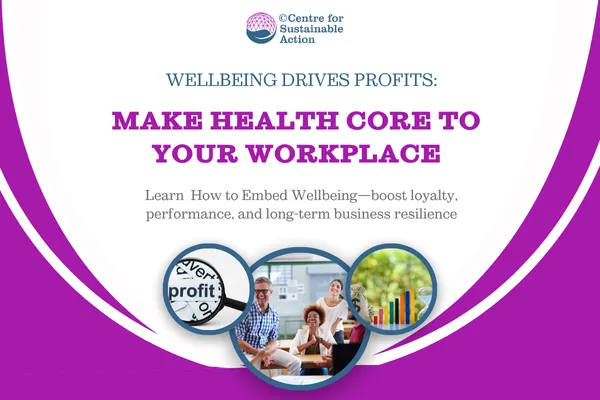
Wellbeing at the Core: A Guide to Embedding Health & Sustainability in Cooperative Workplaces
1. Why Health & Wellbeing Matter in Sustainable Businesses
In today’s business landscape, success isn’t just about profit margins—it’s about people. Healthy, happy teams drive innovation, productivity, and customer loyalty. For cooperatives and SMEs, making health and wellbeing a core value isn’t just the right thing to do—it’s a proven strategy for sustainable growth and resilience.
This guide is your blueprint for embedding wellbeing at the heart of your business model, so you can build a company that thrives—financially, socially, and environmentally.
Why You Should Read It
Unlock the Triple Win:
Discover how integrating health, safety, and sustainability leads to:Engaged, high-performing teams
Loyal customers who value your brand
Long-term business resilience—even in uncertain times
Future-Proof Your Business:
Stay ahead of regulations and market trends by building wellbeing into your business DNA from the start.Save Money & Reduce Risk:
Cut costs related to absenteeism, turnover, and workplace incidents—while boosting morale and productivity.Stand Out in Your Market:
Today’s clients, partners, and employees want to work with businesses that care. Make your values your competitive advantage.
What You’ll Learn
The Business Case for Wellbeing:
Why healthy people drive healthy profits—and how wellbeing is foundational to sustainable business.How to Embed Wellbeing in Your Cooperative or SME:
Practical steps for integrating health and sustainability into your workplace culture, policies, and daily routines.Tools for Action:
Use checklists, templates, and the SDG Assessment to measure, plan, and communicate your wellbeing impact.Proven Strategies for Engagement:
Ways to boost team morale, reduce stress, and create a workplace where everyone feels valued and empowered.Continuous Improvement:
How to track, report, and celebrate progress—turning small wins into lasting business transformation.
This guide isn’t just about ticking boxes—it’s about building a business where people thrive, profits grow, and your impact reaches far beyond the bottom line. If you want to create a company that’s resilient, respected, and ready for the future, this is your starting point.
2. The Cooperative Advantage: How Co-ops Lead in Wellbeing & Sustainability
What truly sets cooperatives apart isn’t just their business model—it’s the way they embed wellbeing and sustainability into their DNA. For start-ups and SMEs, embracing cooperative principles isn’t just about being “nice”—it’s a proven strategy for building resilient, future-ready businesses.
Democratic Participation: Every Voice Shapes the Future
What It Means:
In a cooperative, decisions about health, safety, and sustainability aren’t handed down from the top—they’re made together. Every team member, regardless of role or seniority, has a real say in shaping workplace policies and practices.
Why It Works:
When people help set the rules, they’re more invested in following them.
Diverse perspectives lead to smarter, more inclusive solutions.
Transparency and open dialogue build trust, so changes (like new wellness programs or eco-friendly initiatives) are embraced, not resisted.
Solidarity & Mutual Support: A Culture of Care
What It Means:
Solidarity goes beyond teamwork. In co-ops, there’s a deep-rooted culture where members actively look out for each other’s wellbeing—physically, mentally, and emotionally.
Why It Works:
Members step up for colleagues during tough times, reducing stress and absenteeism.
Shared ownership means wins (and challenges) are experienced together, boosting morale and resilience.
Peer support networks form naturally, providing informal mentoring and mental health support.
Community Engagement: Leading Local Wellness & Sustainability
What It Means:
Cooperatives don’t just serve their members—they serve their communities. They’re often at the forefront of local wellness and sustainability projects, from running health workshops to spearheading recycling drives.
Why It Works:
Community engagement builds trust and reputation, attracting loyal customers and partners.
Co-ops can leverage local networks for shared resources, knowledge, and impact.
Giving back creates a sense of purpose and pride among members, fueling motivation and retention.
Why This Matters for Your Business
Boost engagement and trust: When everyone has a voice, commitment soars.
Increase resilience: Peer support and shared ownership cushion your team through challenges.
Grow your impact and reputation: Community-focused businesses attract customers, partners, and talent who share your values.
3. Embedding Health & Sustainability: Step-by-Step Strategies
a. Create a Healthy Physical Environment
Why it matters:
A healthy work environment boosts productivity, reduces sick days, and signals to your team that their wellbeing is a top priority. Sustainable choices also cut costs and reduce your environmental footprint.
How to do it:
Add Office Plants:
Plants aren’t just decorative—they improve air quality, reduce stress, and create a calming atmosphere. Even a few low-maintenance plants can make a big difference.
Action tip: Start a “plant of the month” initiative, inviting team members to vote on new additions and care for them together.
Implement Recycling & Composting:
Make it easy for everyone by placing clearly labeled bins in high-traffic areas. Celebrate milestones (e.g., “100kg composted!”) to keep motivation high.
Action tip: Run a month-long “waste challenge” and reward the team for reducing landfill waste.
Use Energy-Efficient Lighting & Appliances:
Switch to LEDs and energy-saving devices. Set up reminders to power down equipment at the end of each day.
Action tip: Track your energy bills before and after upgrades and share the savings with your team.
Encourage Reusable or Compostable Dishware:
Replace single-use items with reusable mugs, plates, and cutlery. For events, opt for compostable alternatives.
Action tip: Offer branded reusable cups or bottles as welcome gifts for staff.
b. Foster Mental & Social Wellbeing
Why it matters:
Mental and social wellbeing are just as important as physical health. Teams that feel connected and supported are more engaged, creative, and resilient.
How to do it:
Form Green Teams or Sustainability Committees:
Invite volunteers from across the business to champion health and sustainability projects. Rotate leadership roles to keep participation fresh.
Action tip: Give Green Teams a small budget to test new ideas—like a lunchtime yoga class or a recycling awareness campaign.
Encourage Work-Life Balance & Offer Mental Health Resources:
Promote flexible working hours, encourage regular breaks, and provide access to mental health support (e.g., counseling, mindfulness apps).
Action tip: Set “no meeting” times each week to let staff focus or recharge.
Build Community Through Participatory Activities
Host regular team lunches, wellness workshops, or community volunteer days. Use open forums or suggestion boxes to gather feedback and spark new initiatives.
Action tip: Launch a monthly “wellbeing check-in” where staff can share what’s working and what could be improved.
c. Integrate Health Education & Preventive Care
Why it matters:
Empowering your team with knowledge and preventive care leads to healthier, happier staff—and fewer costly health issues down the line.
How to do it:
Offer Wellness Programs:
Organize exercise classes (even short stretch breaks!), healthy cooking workshops, and on-site or virtual health screenings.
Action tip: Partner with local fitness instructors or health coaches for special sessions.
Train Staff & Leaders on Health, Safety, and Sustainability:
Regular training keeps everyone up to date on best practices and shows your commitment to ongoing improvement.
Action tip: Include health and sustainability goals in performance reviews and celebrate staff who champion new initiatives.
Why Take Action?
Healthier environments and engaged teams mean fewer sick days, higher morale, and better business outcomes.
Sustainable practices save money, attract values-driven customers, and future-proof your workplace.
Small, consistent steps—like adding plants or running a recycling drive—build momentum for bigger change.
4. Leveraging Cooperative Strengths
Cooperatives are uniquely positioned to lead in sustainability and wellbeing because their core principles—shared ownership, democratic decision-making, and community focus—naturally align with the most effective sustainability strategies. Here’s how you can put these strengths to work in your business:
Circular Economy: Reduce, Reuse, Recycle for People & Planet
A circular economy goes beyond simple recycling. It’s about designing out waste from the start, keeping materials in use for as long as possible, and regenerating natural systems. For co-ops and SMEs, this means:
Reducing Waste: Audit your business for single-use plastics, excess packaging, or wasted materials. Replace them with reusable, refillable, or returnable options.
Reusing Resources: Encourage repair, refurbishment, and creative upcycling—whether it’s office supplies, equipment, or packaging.
Recycling Smartly: Set up clear, easy-to-use recycling and composting stations, and partner with local recyclers or circular economy initiatives.
Why It Matters:
Cuts costs and boosts profitability by reducing resource use.
Attracts customers who value sustainability.
Builds resilience by minimizing supply chain risks and waste disposal costs.
Democratic Governance: Strategy Built on Health & Sustainability
In a cooperative, health and sustainability aren’t just policies—they’re part of your business DNA. Every member has a say, ensuring these priorities are embedded in every decision.
Set Clear Sustainability Goals: Use democratic meetings to agree on targets for waste reduction, energy savings, or community impact.
Integrate into Business Planning: Make health and sustainability a standing agenda item in board and team meetings.
Empower Everyone: Give all members a voice in shaping and implementing sustainability initiatives.
Why It Matters:
Increases buy-in and accountability—people support what they help create.
Surfaces practical, front-line ideas for improvement.
Ensures sustainability is not a “tick box,” but a driver of business growth..
Community Roots: Collaborate for Greater Impact
What It Means:
Cooperatives thrive when they’re deeply connected to their local communities. By partnering with other businesses, organizations, and residents, you can multiply your sustainability and wellbeing impact.
Local Partnerships: Join forces with local suppliers, environmental groups, or schools for shared projects—like community gardens, recycling drives, or wellness workshops.
Community Engagement: Host open days, sponsor local events, or offer educational sessions on sustainability and health.
Shared Value Creation: Work with partners to solve shared challenges—like reducing plastic waste or improving local air quality.
Why It Matters:
Builds trust and loyalty with customers and the wider community.
Opens doors to new business opportunities and shared resources.
Strengthens your reputation as a purpose-driven, responsible business.
5. Measuring & Reporting Progress
Why It Matters:
You can’t improve what you don’t measure. Tracking and sharing progress not only keeps your sustainability and wellbeing efforts on track—it also builds trust, motivation, and a culture of continuous improvement.
How to Track Key Indicators
Focus on simple, relevant metrics that matter to your people and your business. For most SMEs and co-ops, these include:
Injury Rates:
Monitor workplace accidents and near-misses. A safer workplace means fewer disruptions and shows you care about your team’s wellbeing.
Worker Satisfaction:
Use quick surveys or regular check-ins to gauge morale, gather feedback, and spot issues early. High satisfaction is linked to better performance and lower turnover.
Energy Use:
Track electricity, gas, and water usage. Even small reductions can add up to big cost savings and a smaller carbon footprint.
Waste Reduction:
Measure how much waste is recycled, composted, or sent to landfill. Celebrate milestones—like your first 100kg recycled!
Action Tip:
Use a simple spreadsheet, whiteboard, or digital dashboard to make progress visible to everyone.
Transparent Reporting & Celebration
Share Progress Regularly:
Post updates in team meetings, newsletters, or a visible “sustainability wall.” Transparency builds trust and keeps everyone engaged.
Celebrate Every Win:
Recognize achievements—big or small. Did you cut energy use by 5%? Divert 50kg of waste? Celebrate with a team shoutout, treat, or a fun event.
Involve Everyone
Ask for ideas on how to improve further. When people see their efforts make a difference, motivation soars.
Continuous Improvement with the SDG Assessment Reporting App
Take your measurement to the next level by using tools like the SDG Assessment Reporting app. This lets you:
Track broader sustainability impact, not just financials
Monitor progress towards Sustainable Development Goals (SDGs)
Identify “hotspots” for improvement (e.g., carbon footprint, community engagement)
Set and review actionable targets with your team
Real-World Example:
Sol Haven, a cooperative, used the SDG Assessment tool to pinpoint emissions hotspots and set reduction targets. The result? Increased funding, operational growth, and a stronger sustainability story to share with customers and stakeholders
Why This Matters for Your Business
Builds accountability and trust—internally and with customers
Drives smarter decisions—you’ll know what’s working and what needs to change
Inspires your team—celebrating progress keeps everyone motivated and proud
6. Practical Actions for Immediate Impact
a. Engage Employees
Form Green Teams: Volunteers from different departments drive eco-initiatives.
Run Sustainability Challenges: Friendly competitions (e.g., reduce waste week) with small rewards.
b. Educate & Train
Ongoing sustainability and wellbeing training for all.
Leadership training on ESG integration.
c. Develop a Sustainability Plan
Set clear goals, assign responsibilities, and define measurable targets.
Integrate sustainability into job descriptions and performance reviews.
d. Implement Green Initiatives
Place recycling bins throughout the workplace.
Switch to energy-efficient tech.
Use sustainable office supplies and indoor plants.
e. Measure & Communicate
Regularly review sustainability metrics.
Share stories and results with the whole team.
f. Build External Partnerships
Collaborate with local environmental groups and join community events.
Pursue sustainability certifications and renew regularly.
7. How Health & Sustainability Integration Boosts Wellbeing
Integrating health and sustainability isn’t just a “nice to have”—it’s a powerful strategy for building a resilient, engaged, and high-performing workplace. Here’s how these two pillars work together to create a thriving cooperative business:
Stronger Social Bonds
How it works:
Shared ownership and democratic decision-making mean everyone has a voice and a stake in the outcome. This fosters trust, camaraderie, and a sense of belonging.
Why it matters:
Teams with strong social bonds are more resilient in times of change, support each other through challenges, and celebrate wins together—creating a positive, energetic workplace culture.
Action tip:
Hold regular team forums or “wellbeing circles” where everyone can contribute ideas and feedback on health and sustainability initiatives.
Higher Engagement
How it works:
When employees see their workplace genuinely cares about their wellbeing and the planet, they’re more motivated, loyal, and willing to go the extra mile.
Why it matters:
Higher engagement means better performance, lower turnover, and a workplace that attracts top talent.
Action tip:
Share stories of impact—like how your sustainability efforts reduced waste or how a new wellness program improved staff satisfaction.
Healthier Workspaces
How it works:
Simple changes—like improving air quality with plants, maximizing natural light, and offering ergonomic furniture—make a big difference to physical and mental health.
Why it matters:
Healthier environments reduce stress, boost energy, and decrease the risk of illness or injury, leading to fewer sick days and higher productivity.
Action tip
Start an “office refresh” week: add plants, rearrange desks for better light, and offer ergonomic assessments.
Work-Life Balance
How it works:
Flexible policies—such as remote work, flexible hours, or compressed workweeks—help employees manage their responsibilities and reduce burnout.
Why it matters:
Supporting work-life balance not only improves mental health but also aligns with sustainability goals (e.g., less commuting means lower emissions).
Action tip:
Survey your team to find out what flexible arrangements would help them most, then pilot a new policy.
Active Lifestyles
How it works:
Encourage walking, cycling, or public transport by providing bike racks, shower facilities, or transit subsidies.
Why it matters:
Active commuting improves cardiovascular health, reduces stress, and lowers your organization’s carbon footprint.
Action tip:
Run a “green commute” challenge with small rewards for those who walk, cycle, or use public transport.
Culture of Care
How it works:
Embedding empathy and accountability into daily practices—like regular check-ins, peer support, and open feedback—creates a workplace where people feel valued and safe.
Why it matters:
A culture of care leads to higher morale, stronger retention, and a team that looks out for one another, even during tough times.
Action tip:
Establish a peer-support or “wellbeing buddy” system for regular informal check-ins.
Purpose Beyond Profit
How it works:
Community-focused initiatives—such as volunteering, local partnerships, or sustainability campaigns—give employees a sense of meaning and pride in their work.
Why it matters:
When people feel their work contributes to a greater good, morale soars and your organization’s reputation is strengthened.
Action tip:
Organize quarterly community service days or partner with local organizations on sustainability projects.
Conclusion:
In today’s world, businesses that put people and the planet first don’t just survive—they thrive. When you weave health and sustainability into the very fabric of your cooperative, you unlock a triple win: energized teams, loyal customers, and a resilient, future-ready business.
The evidence is clear: healthier workplaces mean fewer sick days, higher engagement, and stronger financial results. Cooperatives, with their democratic spirit and community roots, are perfectly positioned to lead this movement—showing that care, trust, and shared responsibility aren’t just ideals, but practical strategies for growth.
Start small, but start today. Engage your team, set clear goals, and celebrate every step forward. Track your progress, share your wins, and invite your community to join you on the journey. The businesses that last—and matter—are those that act with purpose, measure what matters, and never stop improving.
Ready to take the next step? Whether you need checklists, sample policies, or workshop templates, support is here. Make wellbeing and sustainability your competitive edge—and watch your cooperative become a beacon for others to follow.
Has our advice helped you transform uncertainty into confidence? Your words can give hope to others who are just starting out. Please leave a Google review and help us build a stronger community. Click here!
Disclaimer
The information provided in this guide is for general informational purposes only and is not intended as professional advice. While every effort has been made to ensure the accuracy and reliability of the information, The Center for Sustainable Action (CSA) assumes no responsibility for errors, omissions, or any outcomes resulting from the use of this material. Users are encouraged to seek professional advice tailored to their specific needs before making decisions based on the content of this guide. CSA shall not be held liable for any damages or losses arising from reliance on this guide.
Copyright Protection Statement
© 2025 The Center for Sustainable Action (CSA). All rights reserved. This guide, including all content, graphics, and design, is protected by copyright law. Unauthorised reproduction, distribution, or modification of this material, in whole or in part, is strictly prohibited without prior written consent from CSA. For permission requests, please contact [email protected].


